
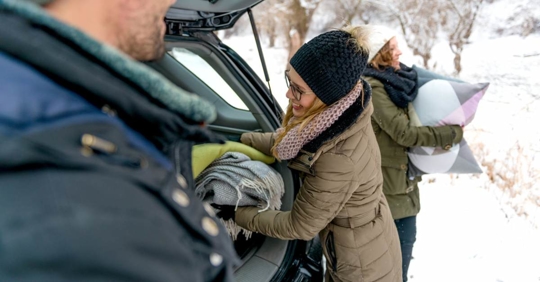
The holidays and winter getaways bring joy, relaxation, and cherished memories—but they can also bring unwanted guests home with you. Bed bugs are expert hitchhikers that can easily latch onto your luggage, clothing, or personal belongings during your travels. These tiny pests don't discriminate between five-star hotels and budget accommodations, and they can quickly turn your post-vacation bliss into a nightmare. The good news is that with a few simple precautions before, during, and after your trip, you can significantly reduce the risk of bringing bed bugs into your Syracuse home.
Suspect bed bugs after your recent trip? Don't wait for an infestation to take hold. Contact All Pest of Syracuse at (315) 784-8215 or through our online contact form for a thorough inspection.
Understanding the Bed Bug Travel Risk
Bed bugs are small, reddish-brown insects about the size of an apple seed that feed on human blood. They're most active at night and hide in cracks, crevices, and fabric during the day. Hotels, resorts, vacation rentals, and even transportation hubs can harbor these pests, regardless of cleanliness standards. When you travel, bed bugs can crawl into your suitcase, backpack, coat, or any item you set down near infested areas.
Once they arrive at your home, they multiply quickly—a single female can lay hundreds of eggs in her lifetime. Understanding this risk is the first step in protecting your home from an infestation that could take weeks or months to eliminate.
Pre-Travel Preparations
Before you even pack your bags, take steps that will make post-travel inspection easier and more effective. Choose hard-shell luggage when possible, as bed bugs find it more difficult to grip smooth surfaces compared to fabric suitcases. Pack your clothing in large, sealable plastic bags inside your luggage—this creates an extra barrier that keeps bed bugs out of your clothes even if they get into your suitcase.
Additionally, bring a small flashlight for hotel room inspections, and consider packing a few extra large garbage bags for containment purposes when you return home. Taking photos of your luggage before you leave can also help you identify any new marks or stains upon your return.
Inspecting Your Accommodations
The moment you arrive at your hotel or rental property, don't immediately unpack or place your luggage on the bed. Instead, set your bags in the bathroom—preferably in the tub or on the tile floor—where bed bugs are less likely to be present. Before settling in, conduct a thorough inspection of your sleeping area. Pull back the sheets and examine the mattress seams, headboard, and box spring for tiny black dots (which are bed bug droppings), small bloodstains, or the bugs themselves.
Check behind picture frames, inside nightstand drawers, and along the edges of upholstered furniture. If you spot any signs of bed bugs, request a different room in a different part of the building, or consider finding alternative accommodations altogether.
Smart Packing and Storage During Your Stay
Once you've determined your room is safe, take precautions throughout your stay to minimize bed bug exposure:
- Keep your suitcase elevated on a luggage rack or hard surface rather than on the floor or bed
- Store your luggage away from walls and furniture where bed bugs typically hide
- Keep clothing inside sealed plastic bags within your suitcase rather than using hotel drawers
- Hang only necessary items in the closet, and inspect them carefully before packing to leave
- Avoid placing personal items like purses, backpacks, or coats on upholstered furniture or beds
These simple habits create barriers between your belongings and potential hiding spots for bed bugs. If you need to place items on furniture, use the desk or table rather than upholstered chairs or the bed. Keep your suitcase zipped when not accessing it, and make it a practice to shake out and inspect any item before placing it back in your luggage.
The Critical Post-Travel Inspection
When you return home, don't bring your luggage directly inside—this is where many travelers make a critical mistake. If weather permits, leave your bags in the garage, enclosed porch, or other buffer area for initial inspection. If that's not possible, designate a specific area like a bathroom or laundry room for unpacking.
Carefully inspect the outside of your luggage for any signs of bed bugs, paying special attention to seams, pockets, and zippers. Look for the bugs themselves, shed skins, eggs, or the telltale black dots that indicate their presence. Use your phone's flashlight to check carefully, as bed bugs are small and good at hiding.
Proper Laundry Procedures
Laundry is your most powerful weapon against bed bugs after travel. Remove all clothing and washable items from your luggage and place them directly into sealed garbage bags—don't carry them through your home. Transport these sealed bags straight to your washing machine. Wash everything in the hottest water the fabric can tolerate, and then dry items on the highest heat setting for at least 30 minutes.
The high heat is what kills bed bugs and their eggs, so the dryer cycle is actually more important than the washing. For items that can't be washed, such as shoes or delicate accessories, seal them in plastic bags and place them in the dryer on high heat, or put them in the freezer at 0°F for at least four days.
Treating Your Luggage
Your luggage requires special attention since it was in the most direct contact with potentially infested areas. After emptying your suitcase completely, vacuum every inch of it, including all pockets, seams, and crevices. Immediately dispose of the vacuum bag in an outdoor trash receptacle, or empty the canister into a sealed plastic bag and discard it outside.
If your luggage is heat-safe, you can place it in a hot car on a sunny day (when temperatures inside reach over 120°F) for several hours. Alternatively, hard-shell luggage can be wiped down with hot soapy water. For fabric luggage, some pest control experts recommend sealing it in plastic bags for several weeks to ensure any potential bed bugs die without a food source.
When to Seek Professional Help
Despite your best prevention efforts, bed bugs can sometimes slip through. Knowing when to call for professional pest control services can prevent a minor problem from becoming a major infestation. Contact a professional if you notice any of these warning signs after your trip:
- Small, itchy red welts on your skin arranged in lines or clusters
- Tiny bloodstains on your sheets or pillowcases
- Dark spots on your mattress, bedding, or nearby furniture
- A sweet, musty odor in your bedroom
- Actual bed bugs or shed skins in your sleeping area
Don't attempt to handle a bed bug problem on your own with store-bought sprays, as this often spreads the infestation to other rooms. Professional treatment is typically the most effective approach for eliminating established populations.
Creating a Travel Protocol for Your Family
Make bed bug prevention a standard part of your family's travel routine. Teach children and teens to keep backpacks and personal items off hotel beds and floors. Designate one family member as the "inspector" who checks rooms before everyone unpacks. Create a checklist that includes pre-travel preparations, during-stay precautions, and post-travel procedures.
When everyone follows the same protocol, you create multiple layers of protection. Consider storing luggage in sealed bags or containers between trips to prevent any hitchhikers from establishing themselves in your home. The more consistent your prevention habits become, the better protected your Syracuse home will be.
Additional Winter Travel Considerations
Winter travel presents unique challenges for bed bug prevention in Central New York. When you return from warm destinations to Syracuse's cold weather, you might be tempted to rush inside with your luggage to escape the chill. Resist this urge and maintain your inspection protocol. Cold temperatures outside won't kill bed bugs in your luggage quickly enough to be effective—they can survive for months without feeding.
Additionally, winter means homes are sealed tight with heating systems running, creating the warm environment bed bugs love. The contrast between your heated home and cold outdoor temperatures makes proper inspection and treatment even more critical during the winter months.
Protect Your Syracuse Home from Bed Bugs
Don't let bed bugs ruin your post-holiday peace of mind. If you've recently traveled and have concerns about bed bugs, or if you've noticed any signs of an infestation, All Pest of Syracuse is here to help. Our experienced team provides thorough inspections and effective bed bug control treatments for homes throughout Syracuse and surrounding areas.
Call us today at (315) 784-8215 or reach out through our online contact form to schedule an inspection and protect your home from these persistent pests.